Planning your first multi-day walk on the Great Ocean Walk is exciting — but if you’ve never done a multi-day hike before, it can also feel a little overwhelming.
This guide is written especially for first-time multi-day walkers. Rather than listing gear or trail trivia, we focus on the key decisions you need to make before you book: how far to walk each day, how many days you really need, how fit you should be, and how to keep costs realistic.
If you get these foundations right, the walk itself becomes far more enjoyable.
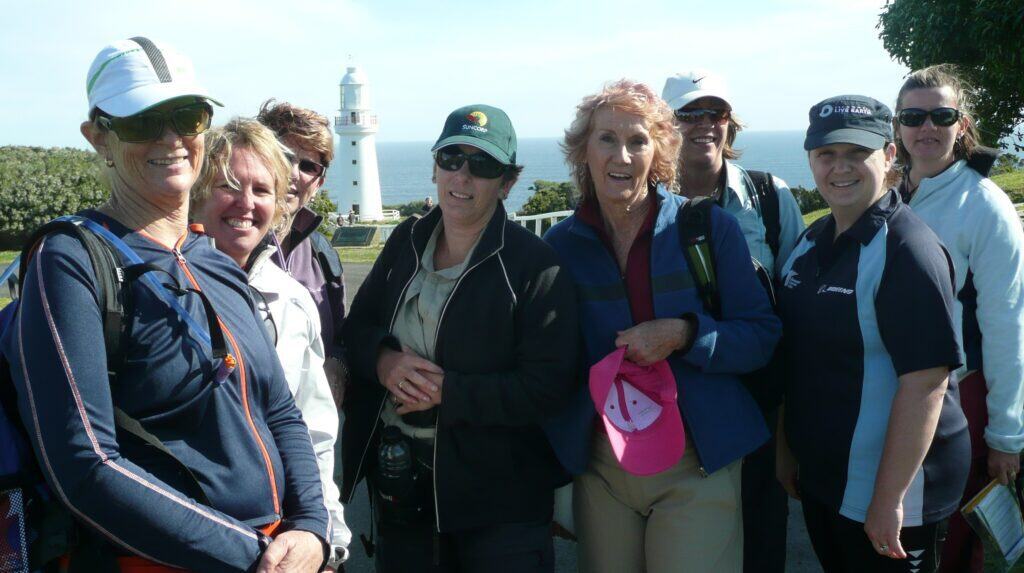
Local Insight from Walk91
This guide is written by the Walk91 team, locals based in Apollo Bay who live and work on the Great Ocean Walk. We support walkers on this trail each walking season and share practical, first-hand knowledge to help you plan safely and confidently.
Start With an Honest Look at Your Walking Experience
If you’ve never done a multi-day walk before, the most important thing to consider isn’t the scenery — it’s how your body will feel walking day after day.
Many people comfortably walk 10–15km on a day hike, but doing this several days in a row, often on sand, hills, and uneven tracks, is very different.
Ask yourself:
- How far do I usually walk in one day?
- Have I walked on sand or coastal tracks before?
- How do I recover after a long walk?
Being honest here will help you choose the right itinerary, rather than an ambitious one that turns into a slog.

How Many Days Should First-Time Walkers Allow?
One of the most common mistakes first-time walkers make is trying to fit too much in.
While very fit hikers can complete the Great Ocean Walk in just a few days, most first-time multi-day walkers enjoy the walk far more if they hike it over 6 Days – 10 Days, or by completing shorter selected sections.
Shorter daily distances mean:
- More time to enjoy beaches and viewpoints
- Less fatigue and injury risk
- Better recovery overnight
- A far more relaxed experience
If you’re unsure, it’s always better to slow the walk down, not speed it up.

Do Some Training Before You Arrive
You don’t need to be an elite athlete — but a bit of preparation goes a long way.
Before your walk:
- Practice walking on consecutive days
- Include hills and uneven ground
- Carry a light day pack
- Train in the shoes you’ll walk in
Even a few weeks of consistent walking can dramatically improve comfort and confidence on the trail.
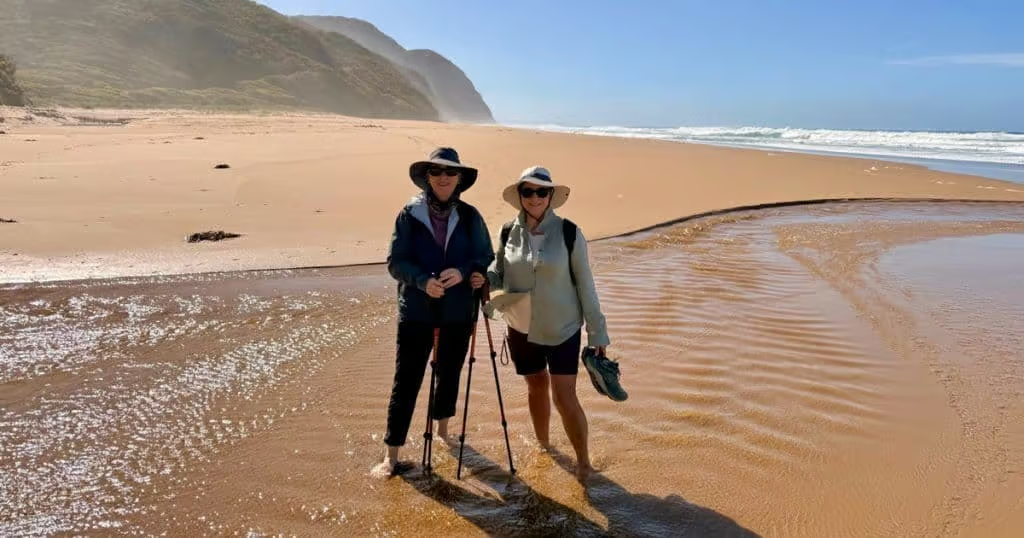
Supported Walks vs Carrying Everything Yourself
If this is your first multi-day hike, one of the smartest decisions you can make is choosing a supported walk.
A supported Great Ocean Walk means:
- No heavy pack to carry
- Transport if you’re tired or need to shorten a day
- Help with logistics and navigation
- Someone to call if conditions change
Walking unsupported — carrying all your gear, navigating campsites, and committing to long distances without backup — is rewarding, but best left until you’ve done at least one multi-day walk before.
For many first-timers, supported walking turns a “big unknown” into an achievable, enjoyable adventure.

Budget Considerations (Especially for Solo Walkers)
Accommodation-based self-guided walks are excellent — but it’s important to understand how pricing works.
Accommodation costs are usually the same whether:
- One person stays
- Or two people share
This means solo walkers often pay more per person.
If you’re travelling alone or are more budget-conscious, consider:
- Multi-day shuttle walks (staying in one base)
- Supported camping options
- Shorter section walks instead of the full trail
These options can significantly reduce costs while still delivering a fantastic Great Ocean Walk experience.

Choosing the Right Time of Year Matters
Weather plays a big role in how challenging the walk feels — especially for first-timers.
While it’s possible to walk into late autumn and early winter, rain and muddy tracks can make walking noticeably harder, particularly in August and early September.
We strongly recommend reading our detailed guide:
👉 Best Time of Year to Walk the Great Ocean Walk
Spring and autumn generally offer the best balance of conditions, daylight hours, and track comfort.

Avoid Peak Holiday Periods if You’re Price Sensitive
Public holidays and peak periods (especially Easter) can significantly increase:
- Accommodation costs along the route
- Prices in Apollo Bay and Port Campbell
- Availability constraints
If you’re arriving the night before your walk, or staying on after finishing at the Twelve Apostles, this can add up quickly.
Travelling just outside peak periods can make a noticeable difference to overall cost.

Walking With Friends Can Reduce Costs (and Increase Fun)
One of the easiest ways to keep costs down is to walk with a small group of friends.
Sharing:
- Shuttle transport
- Accommodation
- Food costs
can significantly reduce the per-person price, and walking together often becomes one of the most memorable parts of the experience.
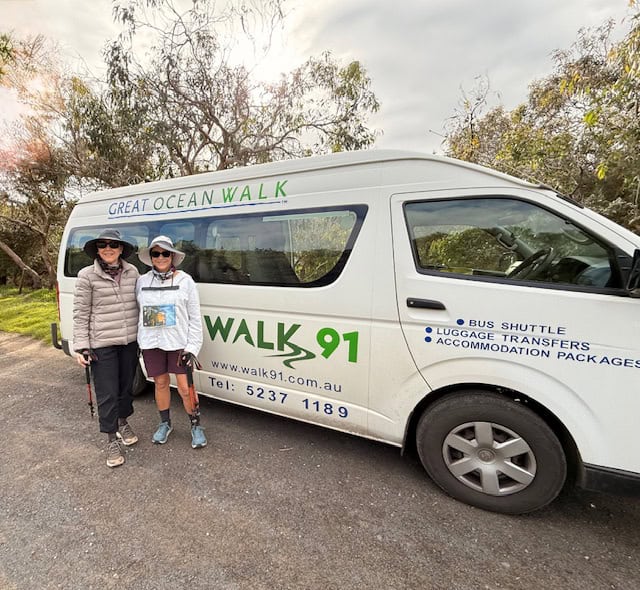
Final Thoughts for First-Time Multi-Day Walkers
Planning your first multi-day walk is about more than choosing dates — it’s about setting yourself up for success.
Think carefully about:
- Your fitness and experience
- How far you want to walk each day
- Whether you’d benefit from support
- The time of year you’re travelling
- Your budget and group size
Get these right, and the Great Ocean Walk becomes an unforgettable experience — not an endurance test.
Frequently Asked Questions
Yes. With sensible daily distances and the option of supported walks, many people successfully complete their first multi-day hike on the Great Ocean Walk.
You should be comfortable walking 10–15km on consecutive days. Some basic training beforehand will greatly improve comfort and enjoyment.
For most first-time walkers, yes. Supported walks reduce physical strain and provide flexibility if plans need to change.
Accommodation-based walks can be more expensive for solo walkers. Multi-day shuttle walks or camping options are often more budget-friendly.
Spring and autumn generally offer the most comfortable conditions and are ideal for first-time multi-day hikers.
Absolutely. We regularly tailor walks based on fitness levels, budgets, group sizes, and preferred levels of support.
About the Author
Walk91 is a locally owned Great Ocean Walk operator based in Apollo Bay, Victoria. Our team lives and works on the Great Ocean Road and provides self-guided Great Ocean Walk support throughout the walking season, drawing on first-hand knowledge of trail conditions, logistics, and safety planning.
CONTACT US to start planning your Great Ocean Walk Adventure!
T: +61 3 5237 1189 Or BOOK A CALL Email: info@walk91.com.au