As Apollo Bay locals, we’re often asked at Walk91: when is the best time to experience the Great Ocean Walk?
Our honest answer is almost any time of year — if you come prepared. There’s no such thing as a bad walk, only bad preparation.
That said, each season offers a very different experience on this iconic coastal trail. Below, we break down what walking the Great Ocean Walk is like throughout the year, so you can choose the season that best suits your fitness level, comfort, and sense of adventure.
If this leaves you inspired, you can explore our best-selling Great Ocean Walk tours — all designed and operated by locals who know this coastline intimately. And make sure you read our tips and tricks on how to navigate the walk (Part 1 & Part 2)

What Are the Best Months of the Year to Consider Walking the Great Ocean Walk?
🌸 Spring on the Great Ocean Walk (September – November)
Spring is one of the most popular and rewarding times to walk the Great Ocean Walk.
Expect:
- Mild daytime temperatures
- Fresh coastal air
- Wildflowers in bloom
- Abundant birdlife and wildlife activity
You may encounter the occasional rain shower, but overall conditions are ideal for comfortable multi-day walking. Tracks are generally quieter than summer, and the landscape feels alive after winter rains.
Best for: walkers who enjoy cooler conditions and vibrant scenery.

☀️ Summer on the Great Ocean Walk (December – February)
Early summer, particularly December, can be a lovely time to walk. Days are long, coastal views are crystal clear, and swimming opportunities abound.
However, January and February can bring:
- Hot temperatures
- Increased flies
- Peak holiday crowds
- Higher fire risk, especially in February
If you’re not accustomed to walking long distances in the heat, or haven’t trained for summer conditions, we generally recommend avoiding mid- to late-summer for multi-day hikes.
Best for: experienced walkers who are heat-adapted and well prepared.
🍂 Autumn on the Great Ocean Walk (March – May)
Autumn is widely considered the sweet spot for walking the Great Ocean Walk.
Expect:
- Warm but not extreme temperatures
- Clear, stable weather
- Reduced crowds after summer
- Excellent track conditions
Easter is particularly popular and books out quickly. May sees cooler days and occasional showers, but remains one of our favourite months to walk.
Best for: almost everyone — beginners to experienced walkers.

❄️ Winter on the Great Ocean Walk (June – August)
Winter transforms the Great Ocean Walk into a lush, dramatic landscape.
You’ll experience:
- Frequent rain
- Muddy sections
- Powerful ocean swells
- Rejuvenated rainforests and waterfalls
While winter walking isn’t for everyone, it can be incredibly rewarding if you’re properly equipped with high-quality wet weather gear and sturdy boots.
Higher tides and swells can affect some beach sections, but the trail includes clearly marked high- and low-tide route options, ensuring the walk remains achievable from Apollo Bay to the 12 Apostles.
Best for: confident walkers seeking solitude and dramatic scenery.
How Long Should You Walk If the Weather Looks Unsettled?
If weather conditions are uncertain, you still have plenty of flexibility.
- Very fit walkers can complete the full trail in 3–4 days
- Many walkers choose to complete shorter sections rather than the entire route
- Section hikes allow you to adapt plans around weather windows
You can explore all available options on our Great Ocean Walk Tours page.
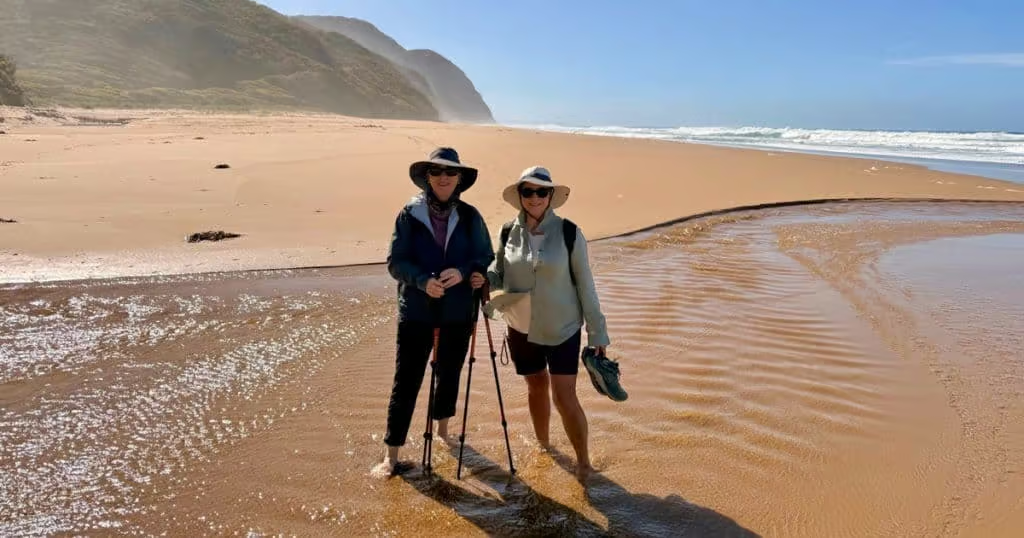
Accommodation & Supported Walks by Season
Summer & shoulder seasons (spring and autumn):
During these months, we offer our full range of Great Ocean Walk experiences, including supported camping tours, walks with accommodation, and pack-free walking options.
Winter:
In winter, we generally recommend accommodation-based walks only, as conditions can be wet and challenging. We do not operate camping tours during the winter months.
Please note that Walk91 usually closes for business during mid-winter, with limited or no departures running at this time. Availability can vary from year to year, so we recommend getting in touch with our team to discuss current options and suitable dates.

Planning Tips for Walking in Any Weather
No matter when you choose to walk:
- Be prepared for sun, wind, and rain — often in one day
- Check tide times and weather forecasts regularly
- Leave your walking plans with friends or family
- Carry appropriate safety and navigation equipment
If you’re unsure what to pack, we recommend reading our local preparation and packing guide before you arrive.
In Summary
Spring and autumn offer the most reliable conditions.
Summer is best avoided during extreme heat.
Winter is stunning, but only for those prepared for rain and mud.
Whenever you choose to walk, the Great Ocean Walk delivers a world-class coastal experience — and as locals, we’re here to help you do it safely and enjoyably.

Need help with planning your walk?
We’re always happy to help — whether you’re choosing the best month, the right itinerary, or deciding how much support you’d like.
If you have any questions, please do not hesitate to get in touch.
CONTACT US to start planning your Great Ocean Walk Adventure!
T: +61 3 5237 1189 Or BOOK A CALL Email: info@walk91.com.au
About the Author
Walk91 is a locally owned Great Ocean Walk operator based in Apollo Bay, Victoria. Our team lives and works on the Great Ocean Road and provides self-guided Great Ocean Walk support throughout the walking season, drawing on first-hand knowledge of trail conditions, logistics, and safety planning.
Weather & Best Time to Walk – FAQs
March, April, October and November are often considered the best months to walk the Great Ocean Walk. These months typically offer mild temperatures, more stable weather, fewer crowds, and excellent walking conditions.
It can be. December is usually manageable, but January and February can be very hot, with strong sun exposure, flies, and higher bushfire risk. Walkers need to be well prepared and heat-adapted during peak summer.
Yes, but winter walking is best suited to experienced walkers. Expect frequent rain, muddy sections, cooler temperatures, and rougher ocean conditions. High-quality wet weather gear and flexible planning are essential.
Rain is possible year-round, but it is most common in winter (June to August). Spring and autumn usually bring lighter, more intermittent showers, while summer tends to be drier overall.
Yes. Spring offers cooler walking temperatures, blooming wildflowers, active wildlife, and generally comfortable conditions. It’s one of the most popular seasons for multi-day walks.
Late autumn (May) and winter months are the quietest times. These periods offer more solitude on the trail but come with cooler temperatures and a higher chance of rain.
Heatwaves, bushfire risk in summer, heavy rain in winter, and strong coastal winds can all impact walking conditions. Walkers should always check forecasts, fire warnings, and tide times before setting out.
Yes. Some beach sections are affected by tides and swell. The track includes clearly marked high-tide and low-tide alternatives, allowing walkers to safely continue regardless of conditions.
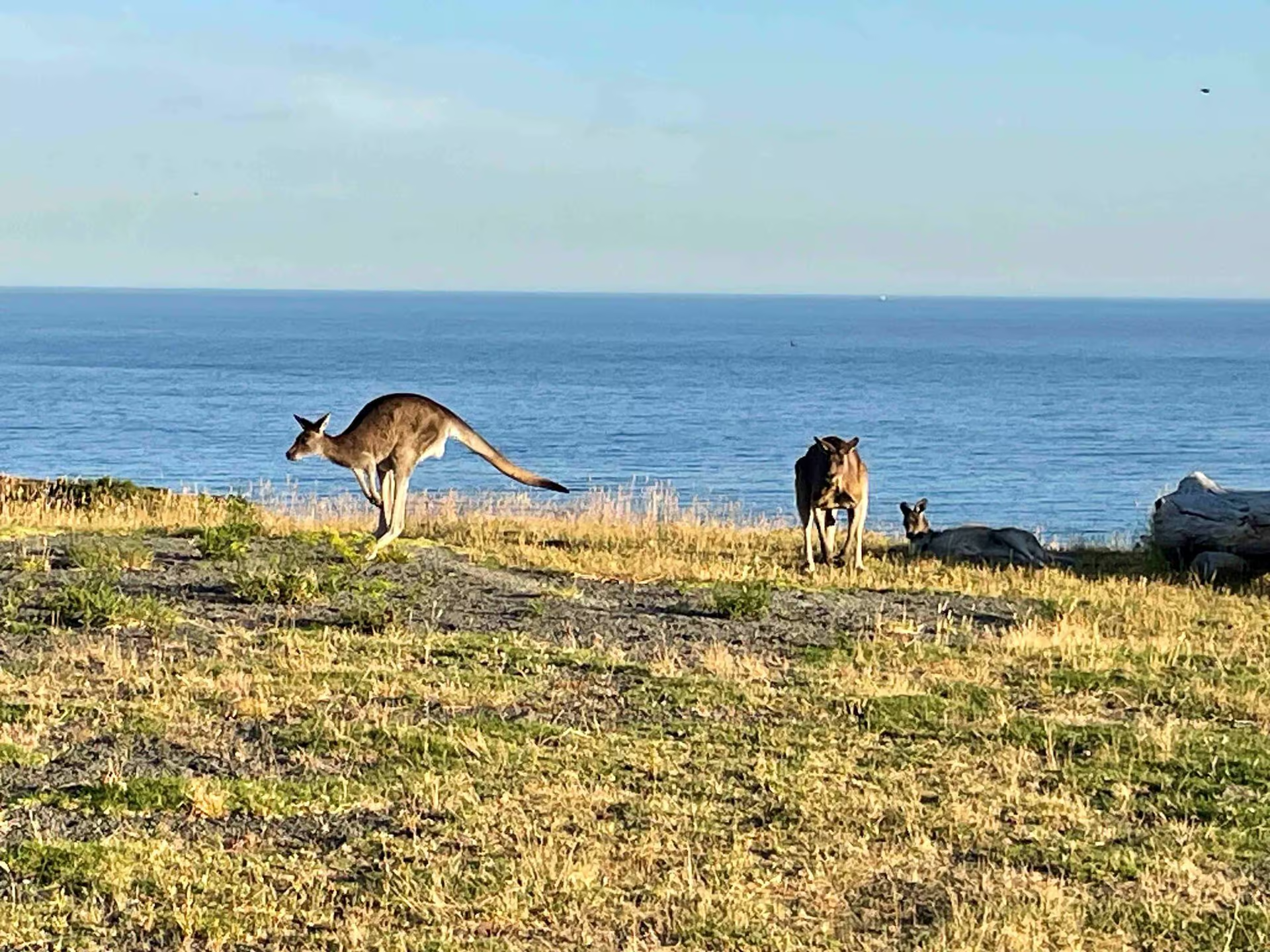
Spring and early summer are excellent for birdlife, kangaroos, echidnas, and koalas. Winter and early spring can also bring dramatic whale sightings along the coast.
Beginners are best suited to walking in spring or autumn when conditions are milder and more predictable. Summer heat and winter rain can be challenging without experience or support.
Walk91 operates mainly during the warmer and shoulder seasons. We usually close during mid-winter, with limited availability depending on conditions. It’s best to contact us directly to discuss current dates and options.