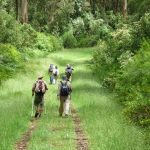
If you’re travelling through Apollo Bay and you’d love to experience the Great Ocean Walk but don’t quite have the time, there’s a hidden gem nearby that many visitors don’t even realise exists — the Marengo Nature Conservation Reserve.
Local Insight from Walk91
This guide is written by the Walk91 team, locals based in Apollo Bay who live and work on the Great Ocean Walk. We support walkers on this trail each walking season and share practical, first-hand knowledge to help you plan safely and confidently.

Marengo is just a 25-minute walk from Apollo Bay or a 5-minute drive along the Great Ocean Road, making it an easy and rewarding short walk if you’re short on time.

Short Walk Options Near Apollo Bay
One of the most popular short sections of the Great Ocean Walk is the 8km coastal walk from Apollo Bay to Shelly Beach, which hugs the ocean and showcases stunning views.
However, if 8km feels a little too long, the Marengo Nature Conservation Reserve offers a relaxed 30-minute loop walk that’s perfect for a slower pace.
What many people don’t realise is that while the Great Ocean Walk runs along the beachside of the Great Ocean Road, the Marengo Nature Conservation Reserve sits quietly on the opposite side of the road, meaning it’s often overlooked by visitors rushing past.

Take a Stroll at Marengo Nature Conservation Reserve
- Time: ~30 minutes
- Difficulty: Easy
- Track type: Loop walk
- Surface: Fire trails and dirt roads
This easy loop walk follows a network of fire trails and dirt roads and is ideal for:
Dogs (on a lead)

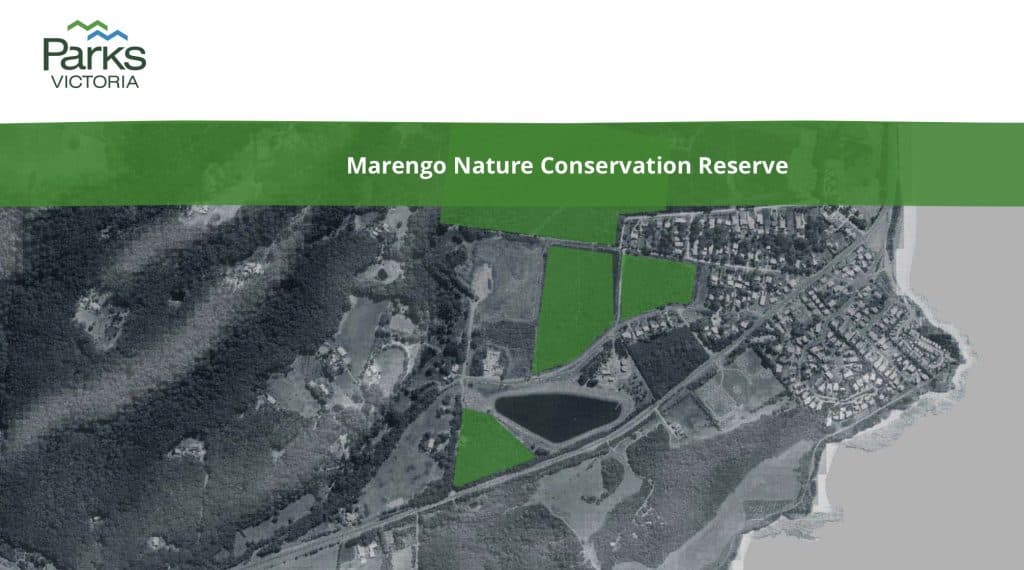
How to Get There
As you head south from Apollo Bay:
- Turn into Newcombe Street
- Park at the corner of Manly Street
From here, walk up the dirt road to the gate that provides access to the reserve. At the end of the loop, you’ll exit back onto Manly Street and walk back to your car.
Tip: Avoid driving right up to the gate — the road can be muddy in winter and dusty in summer.

What Makes This Walk Special
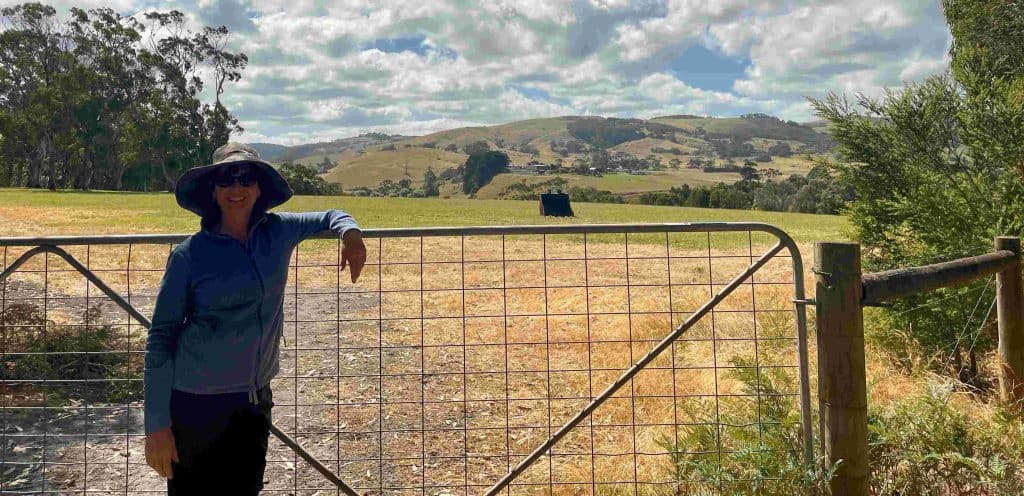
The 26-hectare reserve protects a rare remnant of heathland that gives a glimpse into what Apollo Bay and Marengo looked like before European settlement.
The landscape includes:
- Eucalyptus woodlands
- Heathland
- Wetlands

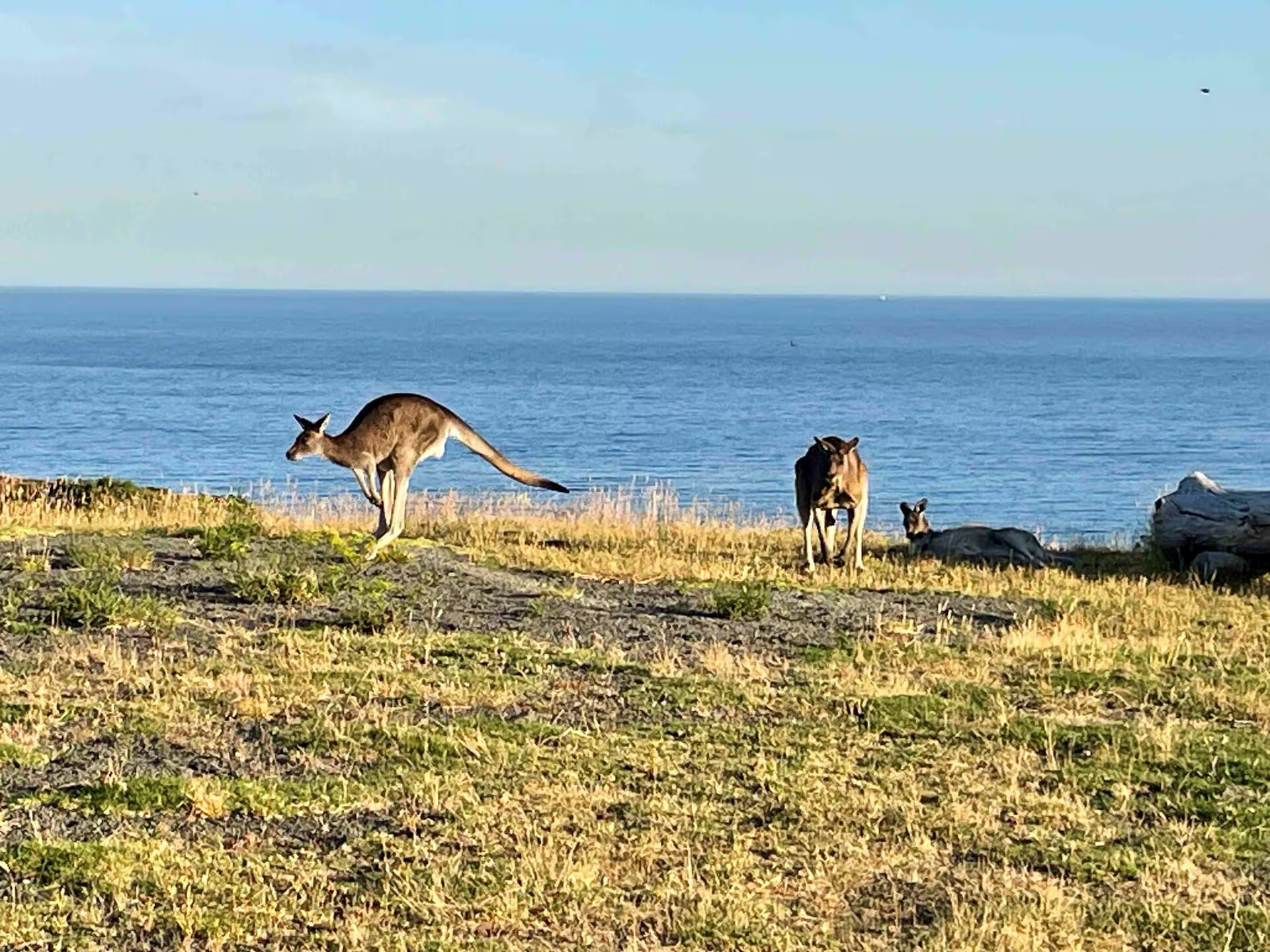
Despite its small size, it offers excellent birdwatching opportunities and the chance to spot local wildlife such as:
- Koalas
- Brush-tailed possums
- Echidnas (most active in summer)
There are also lovely views back over Apollo Bay, so take your time and enjoy the outlook.
Extending Your Walk
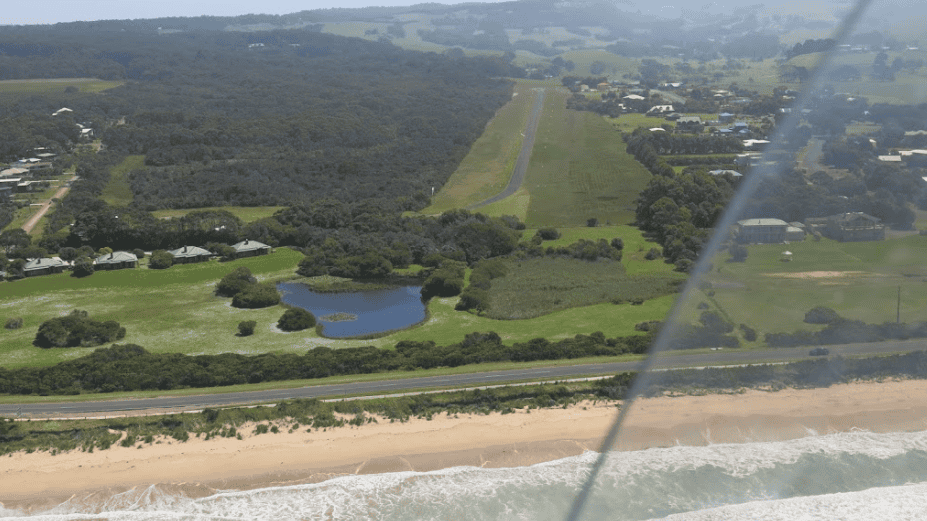
If you’re feeling more energetic, you can extend this walk by:
- Starting in Apollo Bay
- Following the foreshore track to Marengo
This adds an extra 3km each way, taking about 30 minutes per direction, and pairs beautifully with the reserve loop.
Marengo Airfield & Local History
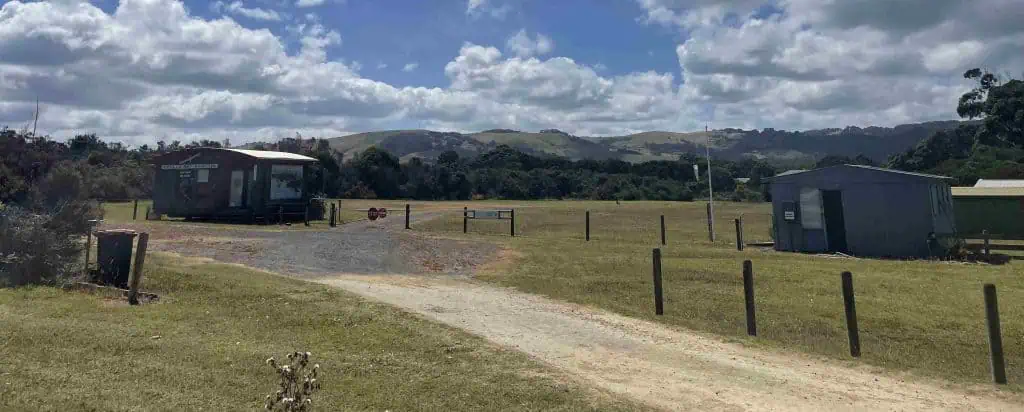
The reserve borders the Marengo airfield, which is still operational today. Scenic flights to King Island and the 12 Apostles can be booked from here.
One of the airfield’s most famous visitors in recent years was Oprah Winfrey, who flew in during her Australian adventure with audience members who won a trip of a lifetime.
History of the Marengo Nature Conservation Reserve
The land has a long and complex history:
- 1905–1920: Reserved for the Church of England as a reform training farm
- Sadly, this period is remembered for the harsh treatment of boys who lived and worked here
- More information can be found via the Find & Connect project or at the Apollo Bay Museum
- 1921–1924: Used as a racecourse and recreation area
- 1931–1950: Designated as an emergency airstrip
- 1962–1966: Divided into the current airstrip reserve and a public purpose reserve
- 1978: Permanently protected as a flora reserve
- 2004: Renamed Marengo Nature Conservation Reserve following recommendations from the Victorian Environmental Assessment Council
The reserve has been cared for by Parks Victoria and the Friends of the Otways since 1986.

Flora, Fauna & What to Look For
The reserve plays an important role in protecting rare and threatened species. There are six different species of eucalyptus, making it a fascinating walk for tree lovers.
You may also spot:
- Scented Paperbark trees, which flower in winter
- Nectar-feeding birds like New Holland Honeyeaters and Little Wattlebirds
- Bushtailed possums nesting in tree hollows
If you love Australia’s flora click here to refer to a detailed plant list
If you’re visiting in summer, keep an eye out for echidnas, which are active in warmer months. These remarkable egg-laying mammals raise their young in burrows made of twigs and soil — a special sight if you’re lucky enough to spot one.

Before You Go
- Start walking from the gate at the top of Newcombe Street if possible
- You can start by walking past the old boat
- Roads can be muddy in winter — park lower down
- Dogs are welcome on a lead
- No horses are permitted
- Please respect the fragile environment
Frequently Asked Questions
The Marengo Nature Conservation Reserve is located just south of Apollo Bay, on the inland side of the Great Ocean Road. It’s a 25-minute walk from Apollo Bay or a 5-minute drive.
The main loop walk takes around 30 minutes and follows easy fire trails and dirt roads.
Yes. This is an easy walk suitable for beginners, families with young children, and anyone looking for a short, gentle stroll.
Yes, dogs are allowed but must be kept on a lead at all times, as the reserve protects native wildlife.
No. The Marengo Nature Conservation Reserve is not part of the official Great Ocean Walk. However, it’s a great short walk option near Apollo Bay if you don’t have time to walk a section of the Great Ocean Walk.
You may spot koalas, brush-tailed possums, echidnas (in summer), and a variety of native birds, particularly honeyeaters.
Yes. You can extend your walk by following the foreshore track between Apollo Bay and Marengo, which adds around 3km each way.
The walking tracks themselves are generally fine, but the dirt access road near the gate can become muddy in winter, so it’s best to park lower down and walk in.
Yes. Parking is available on Manly Street, near the corner of Newcombe Street.
No, there are no facilities within the reserve. Toilets are available in Apollo Bay township.
Absolutely. This is one of the best short walks near Apollo Bay if you only have 30–60 minutes available.
The reserve sits just inland from the Great Ocean Walk near Apollo Bay. If you’re staying in Apollo Bay, it’s an ideal short walk to do before or after walking a section of the Great Ocean Walk, especially if you’re easing into longer distances.
One of the easiest and most popular sections is the Apollo Bay to Shelly Beach walk, an 8km coastal section that follows the ocean and forms part of the official Great Ocean Walk. It’s a great next step after exploring Marengo Nature Conservation Reserve.
Yes. Many visitors enjoy a short loop at Marengo in the morning and then walk a nearby Great Ocean Walk section from Apollo Bay, making it an easy way to experience both heathland and coastal scenery in one day.
While it’s much shorter and flatter than the Great Ocean Walk, Marengo is a gentle way to stretch your legs, test footwear, or walk with a pack before tackling longer Great Ocean Walk sections.
If you enjoy walking around Marengo and want to experience more of the coastline, there are self-guided Great Ocean Walk itineraries that start or finish in Apollo Bay, ranging from short breaks to full multi-day walks.
A Perfect Local Short Walk
The Marengo Nature Conservation Reserve is a peaceful, locally loved walk that rewards those who slow down and explore beyond the main tourist stops.
If you’re visiting Apollo Bay and don’t have time for a longer section of the Great Ocean Walk, this is a beautiful way to connect with the landscape — and you might even spot more wildlife than you expect.
Enjoy this special local walk 🌿
CONTACT US to start planning your Great Ocean Walk Adventure!
T: +61 3 5237 1189 Or BOOK A CALL Email: info@walk91.com.au
About the Author
Walk91 is a locally owned Great Ocean Walk operator based in Apollo Bay, Victoria. Our team lives and works on the Great Ocean Road and provides self-guided Great Ocean Walk support throughout the walking season, drawing on first-hand knowledge of trail conditions, logistics, and safety planning.