(Written by locals who helped build the track)
Bushwalking safety isn’t about fear or worst-case scenarios — it’s about preparation, awareness, and making good decisions before and during your walk.
The T-R-E-K safety principles shared here come from Caro Ryan, an outdoor safety advocate, navigation educator, and search and rescue leader with decades of real-world experience assisting lost or injured bushwalkers. In recognition of her significant contribution to bushwalking safety and education, Caro was awarded a Medal of the Order of Australia (OAM) in the 2026 Australia Day Honours.
Caro also leads a specialist Bush Search and Rescue team and is the author of How to Navigate, a practical guide to map and compass skills. Her advice is grounded in what search and rescue teams see time and time again — and it applies whether you’re heading into remote alpine terrain, coastal tracks, or iconic multi-day walks like the Great Ocean Walk.

Why Safety Planning Matters on the Great Ocean Walk
The Great Ocean Walk is one of Australia’s most spectacular long-distance coastal walks, but it also includes:
- Long remote sections
- Limited or no mobile phone reception
- Exposed clifftop tracks
- Beach walking is affected by tides and weather
- Variable conditions from day to day
Most walkers never run into trouble — but when things do go wrong, it’s often small, preventable issues that escalate. The good news is that simple preparation makes a huge difference.

The TREK Rule: A Simple Framework for Safer Walking
Caro uses a simple acronym to help walkers remember the essentials: TREK.
T — Take Everything You Need
This goes beyond just food and water.
For the Great Ocean Walk, that means:
- Enough water between camps
- A basic first aid kit
- Warm layers and wet-weather gear
- Sun protection for exposed sections
- Footwear suitable for sand, mud, and uneven track
One often-overlooked tip: visibility.
Bright colours make it far easier for others to spot you if assistance is needed, particularly in coastal scrub or forested areas.

R — Register Your Intention
Always let someone know:
- Which section(s) of the Great Ocean Walk you’re doing
- Where you plan to start and finish each day
- When you expect to return or be collected
Be specific. “I’m doing the Great Ocean Walk” is very different from outlining your actual route and daily plan. Clear information helps others raise the alarm early if something doesn’t go to plan.
👉 If walking with Walk91, we actively monitor conditions and can collect you from the nearest access point if you’re struggling — something independent walkers don’t always have available.

E — Emergency Communication
Mobile phone coverage is unreliable along much of the Great Ocean Walk.
That’s why carrying:
- a Personal Locator Beacon (PLB), or
- a satellite communicator
is strongly recommended, especially for multi-day walkers.
If you feel things are starting to go wrong, don’t wait until nightfall. Activating emergency communication earlier gives responders daylight and time to help safely.

K — Know Your Route (and Your Limits)
The Great Ocean Walk includes a mix of:
- Beach sections influenced by tides
- Exposed coastal headlands
- Inland forest tracks that can become slippery after rain
Before setting out:
- Check tide times if beach walking is involved
- Understand distances between camps
- Choose sections that match your fitness and experience
Australia’s walking track grading system can help guide decisions — and there’s no shame in choosing gentler sections or breaking the walk into shorter stages.

If You Get Lost or Delayed
Even with good planning, things can change.
If you feel unsure:
- Stop and slow down
- Eat and drink
- Calm your breathing
- Assess your surroundings and remaining daylight
For most walkers, especially those with less bush experience, staying put is the safest option.
Remaining in one place makes it far easier for searchers to find you.

Walking Prepared Is Walking Confident
The Great Ocean Walk is an unforgettable experience — wild, beautiful, and deeply rewarding. Preparation doesn’t take away from the adventure; it supports it.
The lessons shared by search and rescue professionals like Caro Ryan are simple, practical, and proven in the field. As she often reminds walkers:
Good preparation helps you plan your own luck.
Further reading
For more locally focused advice, including tides, weather exposure, and section-by-section considerations, see our full guide to
👉 Staying safe along the Great Ocean Walk
Walking with the Right Support
If you’d like extra reassurance on the Great Ocean Walk, Walk91 offers supported, custom-made walks designed around your fitness level, experience, and how you want to walk.
As a local Great Ocean Walk operator, we don’t run fixed packages. Instead, we tailor each walk to suit you — whether that means shorter daily distances, selected sections of the trail, or additional logistical support.
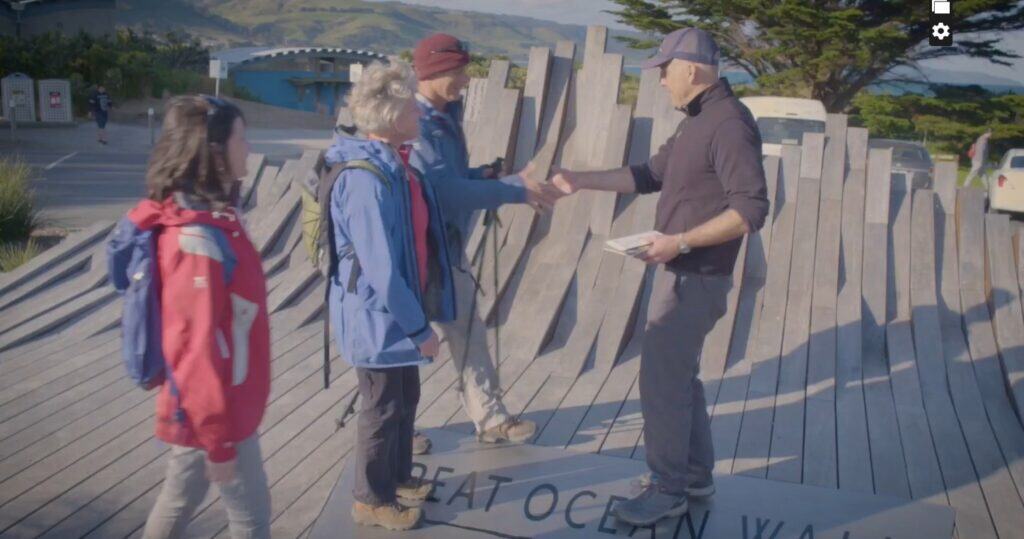
Before you walk, we provide a clear safety briefing covering route conditions, daily distances, tides where relevant, and what to expect on your chosen sections. While you’re on the trail, support is available to help things run smoothly, so you can focus on enjoying the walk with confidence.
You can learn more about our custom and supported Great Ocean Walk options here:
👉 https://walk91.com.au/tour/guided-walks/
Frequently Asked Questions – Great Ocean Walk Safety
The Great Ocean Walk includes a range of sections with different levels of difficulty. Consider your fitness level, walking experience, and how many days you have available. Some sections are gentler and graded easy to medium by Parks Victoria, while others are more remote and graded hard. Breaking the walk into shorter stages or selecting specific sections can make the experience more enjoyable and manageable.
No. Many walkers choose to complete selected sections rather than the full walk. Breaking the walk into shorter stages or focusing on specific sections allows you to tailor the experience to your fitness, time frame, and interests.
Mobile phone coverage is limited and unreliable along much of the Great Ocean Walk, particularly in remote sections. Walkers should not rely solely on a mobile phone for safety or navigation.
Carrying a Personal Locator Beacon (PLB) is strongly recommended, especially for multi-day walks. A PLB provides an important backup in areas without mobile reception and can significantly reduce response times in an emergency.
Key considerations include weather exposure, long distances between camps, slippery tracks after rain, and beach sections affected by tides. Planning daily distances carefully and allowing flexibility in your itinerary can help reduce risks.
If you feel unsure, stop and take time to reassess. Eat, drink, and calm your breathing before making decisions. In most situations, staying put is safer than continuing to move. If you have mobile coverage, call for help or use the Emergency+ app. If not, activate your PLB.
Yes. Supported walks can help match the walk to your fitness level and experience, provide pre-walk safety briefings, and offer support while you’re on the trail. This can be particularly helpful for first-time multi-day walkers or those wanting extra reassurance.
For more locally focused advice, including track conditions and planning considerations, see our full guide:
👉 https://walk91.com.au/blog/guide-to-staying-safe-along-the-great-ocean-walk/
Ready to start planning?
Explore our full range of:
- Self-Guided Great Ocean Walk Tours
- Shuttle Bus Great Ocean Walks
- Custom-made walks to suit your walking ability perfectly
- Group Walks – perfectly designed to suit you and your friends!
📞 Call +61 3 5237 1189 or contact us to discuss the walk that suits your pace, experience, and comfort level.
About the Author
Walk91 is a locally owned Great Ocean Walk operator based in Apollo Bay, Victoria. Our team lives and works on the Great Ocean Road and provides self-guided Great Ocean Walk support throughout the walking season, drawing on first-hand knowledge of trail conditions, logistics, and safety planning.