The Great Ocean Walk is one of Australia’s great nature-based walking experiences. Stretching 104 kilometres from Apollo Bay to the Twelve Apostles, the trail winds through windswept coastline, heathland, towering forests and lush river valleys — creating an incredibly diverse habitat for wildlife.
Along the way, walkers have the chance to encounter some of Victoria’s most iconic animals, from kangaroos and koalas to seals, seabirds and even the elusive platypus.
This guide explores the wildlife you may encounter on the Great Ocean Walk and in the wider Otways region, which includes Great Otway National Park and the hinterland stretching from Torquay through to the Shipwreck Coast.
At Walk91, we’re passionate about walking respectfully on Country. We acknowledge the Gadubanud and Girai wurrung people as the Traditional Owners of the land through which the Great Ocean Walk passes, and we recognise their ongoing connection to this remarkable landscape.
If you are inspired to come and see these creatures in their natural environment and need help planning, consider one of our self-guided walks.
Wildlife You Can See Along the Great Ocean Road and Walk
The combination of ocean, forest and freshwater ecosystems makes the Great Ocean Walk a wildlife hotspot. While sightings are never guaranteed, slowing down and walking quietly greatly increases your chances.
Seals Along the Great Ocean Coast
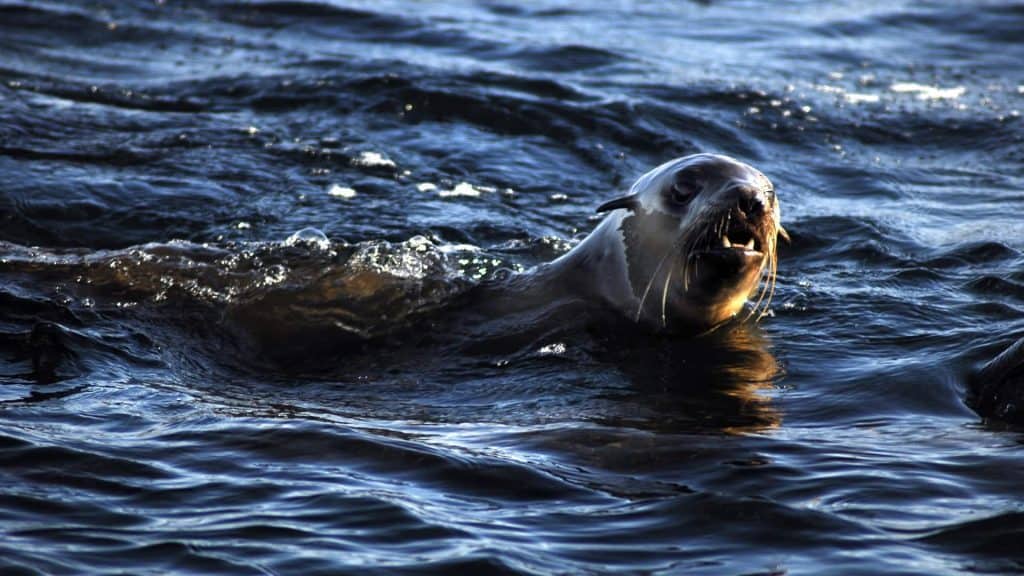
Before you even begin walking, you may spot Australian Fur Seals in and around Apollo Bay. These playful marine mammals are often seen near the harbour, especially around the fish-cleaning stations near the sailing club.
For a closer encounter, guided sea kayaking tours operate from nearby Marengo, where a colony of more than 100 seals lives on the offshore reef. Watching them dart through the water and pop up beside kayaks is a memorable experience — but always admire them from a safe distance and never attempt to feed them.
Seals can also be seen resting on isolated beaches along the Great Ocean Walk itself, particularly in quieter, less accessible sections.

Mammals and Marsupials on the Great Ocean Walk
Kangaroos and Wallabies
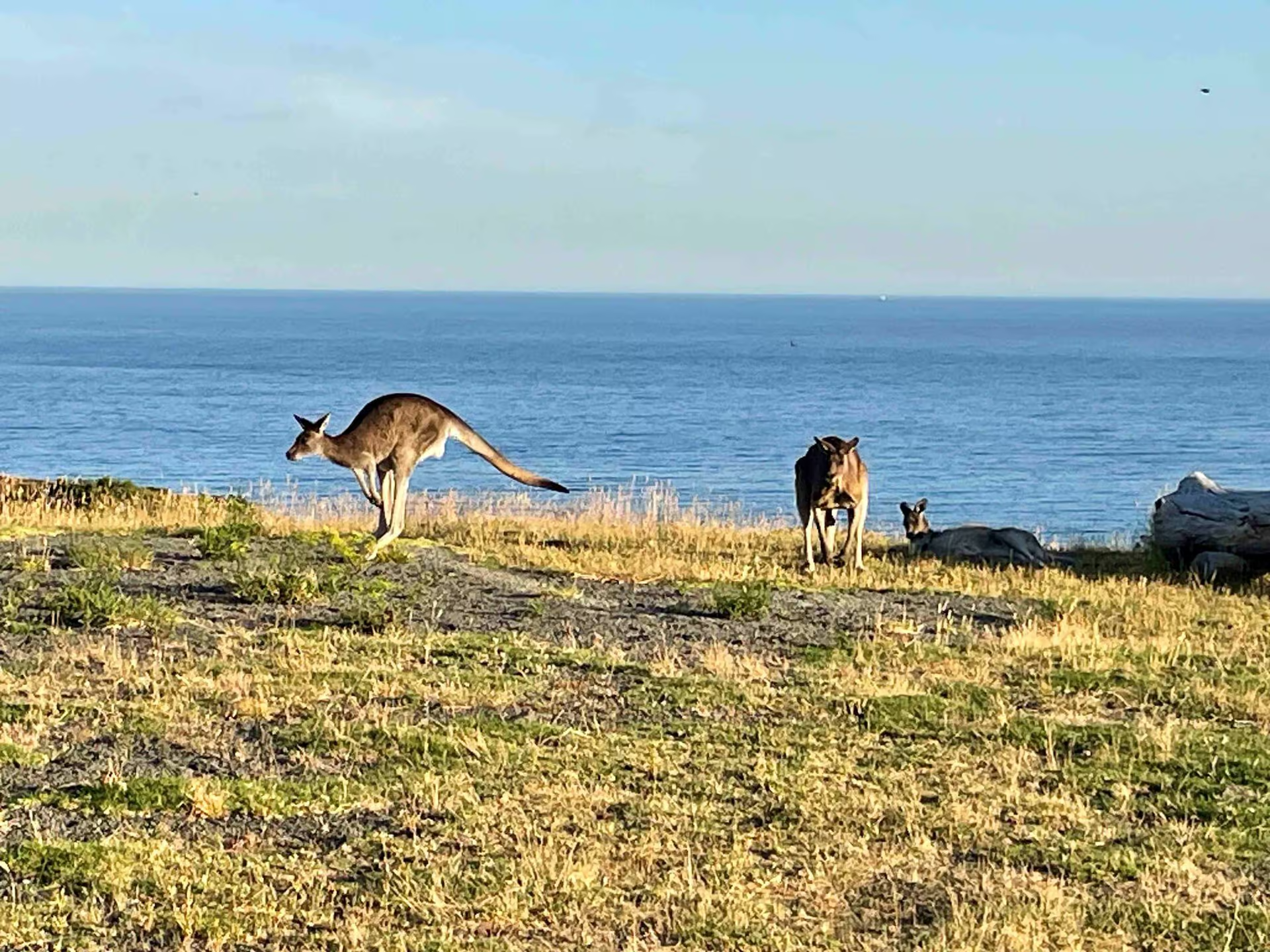
Eastern Grey Kangaroos are commonly sighted on open grassy sections of the trail, particularly in the early morning or late afternoon. They’re easily recognised by their pale bellies and grey-brown coats.
The smaller Swamp Wallaby is also common in forested sections, often seen slipping quietly through tree ferns. These wallabies are strong swimmers and are frequently spotted with a joey tucked safely in the pouch.
Echidnas and Potoroos
Keep an eye on the ground for echidnas, especially where the soil has been disturbed by ant digging. These shy, slow-moving animals are best observed quietly from a distance.
Potoroos, part of the rat-kangaroo family, are much harder to spot. Rare sightings have been recorded along the walk, but they tend to disappear quickly into dense vegetation.

Tiger Quolls and Platypus
The Tiger Quoll (Spotted-tailed Quoll) is one of the Otways’ most elusive residents and is sadly near-threatened. Conservation work by the Conservation Ecology Centre near Cape Otway is helping protect this important predator.
If you are lucky enough to spot a quoll, sightings can be reported to the Ecology Centre’s wildlife hotline.

The platypus is another rare but magical encounter. Early mornings offer the best chance, particularly near freshwater systems such as the Barham River near Apollo Bay or Lake Elizabeth. Watch patiently for ripples or subtle movement on the water’s surface.

Birds of the Great Ocean Walk
Birdlife is abundant along the entire trail. Walkers often spot:
- Gang-gang Cockatoos
- Crimson and Eastern Rosellas
- White Cockatoos
- Wedge-tailed Eagles soaring overhead
Coastal and wetland species include Pacific Gulls, Sooty Oystercatchers, Crested Terns, White-faced Herons and Red-necked Stints.
Hooded Plovers
Please take extra care around Hooded Plover nesting areas, especially near Apollo Bay. These threatened shorebirds nest directly on the sand above the high-tide line, and their eggs are extremely difficult to see. Obey any roped-off areas to help protect them.
Magpies and Penguins
During spring, magpies can become protective and may swoop walkers. Keep moving calmly and avoid lingering in nesting areas.
Little Penguins (Fairy Penguins) may occasionally be seen on remote beaches along the trail. Despite their small size, they are powerful swimmers, diving to impressive depths in search of food.
If you want to see these lovely creatures in bigger numbers, Philip Island has the largest colony of approx 20,000 penguins, whilst Warrnambool has the smallest at around 200.

Snakes and Insects on the Trail
Snakes such as Tiger Snakes and Eastern Brown Snakes live in the region, but sightings are uncommon and bites are extremely rare. Snakes are generally shy and will move away when they sense approaching walkers.
To minimise risk:
- Avoid walking barefoot (except on the beach)
- Watch where you place your feet
- Give any snake plenty of space
For a deeper look at snake safety and behaviour, read our guide: Snakes on the Great Ocean Walk.
Wildlife of the Otways Hinterland
Koalas and Possums
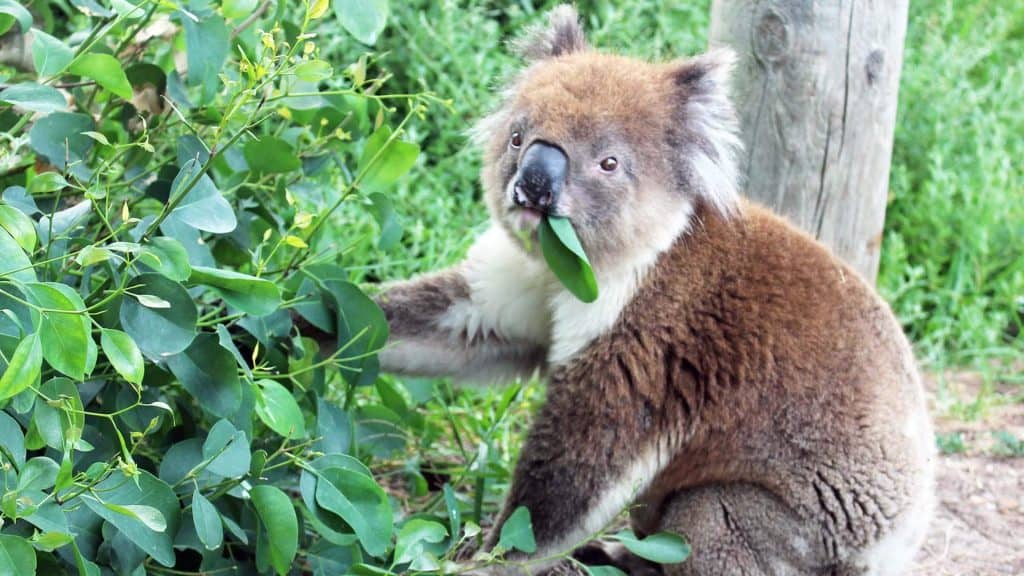
The Otways are famous for koalas, often spotted resting high in eucalyptus trees, especially around Kennett River and Cape Otway. They sleep for up to 19 hours a day, making them surprisingly easy to spot. Check out our koala spotting video:

Common Brushtail Possums share the treetops and are most active at dusk and overnight.
Smaller Mammals and Insects
The forest floor supports species such as the Southern Brown Bandicoot, Broad-toothed Rat and Swamp Antechinus, all of which play vital roles in the ecosystem.
Thanks to the damp rainforest conditions, visitors may also encounter native glow worms, particularly in shaded creek areas — look carefully for their faint, twinkling glow.
Whales and the Otway Panther
Between May and October, migrating Southern Right Whales can often be spotted offshore. Once hunted nearly to extinction, these whales now regularly return to Victoria’s coastline.
And then there’s the legend of the Otway Panther — a mysterious black cat-like creature reported by locals for decades. While never scientifically confirmed, sightings continue to fuel curiosity and debate.
Nancy Kininmonth, Walk91’s co-owner, also believes she spotted the panther on her first visit to the Otways many years ago. She said, “ I saw what I thought was a panther running through the fern trees along the side of the road. Mark thought I was joking, having already heard rumours of panther spottings, but I knew nothing of these alleged sightings.”
The Best Time of Year to See Wildlife on the Great Ocean Walk
Wildlife can be seen year-round, but sightings vary by season:
- Spring: Baby animals, nesting birds and active wildlife
- Summer: Early mornings and evenings are best
- Autumn: Calm conditions and excellent birdlife
- Winter: Fewer walkers and whale sightings offshore
Birdwatchers will enjoy something new in every season, with both resident and migratory species passing through the Otways.

Ready to Experience the Wildlife for Yourself?
Walking the Great Ocean Walk offers an unmatched opportunity to observe wildlife in its natural habitat — quietly, respectfully and at nature’s pace.
Whether you’re planning a self-guided walk or would like help creating a custom Great Ocean Walk itinerary, the Walk91 team is always happy to help you plan a wildlife-rich adventure.
If the Great Ocean Walk is on your list (or has just moved to the top of it), get in touch with Walk91 today and start planning your journey.

📍 Locally Based. Highly Experienced. Walk with Confidence.
👉 Get in touch:
📞 Phone: 03 5237 1189
📩 Email: info@walk91.com.au
🌐 Website: www.walk91.com.au
About the Author
Walk91 is a locally owned Great Ocean Walk operator based in Apollo Bay, Victoria. Our team lives and works on the Great Ocean Road and provides self-guided Great Ocean Walk support throughout the walking season, drawing on first-hand knowledge of trail conditions, logistics, and safety planning.