The walk from Parker Hill to the Cape Otway Lighthouse is one of the most rewarding sections of the Great Ocean Walk — but it’s also one of the most misunderstood with regards to safety.
This is the part of the track where tides, swell, rainfall and decision points really matter. As locals who walk this section regularly, we see the same questions — and the same mistakes — come up time and again.
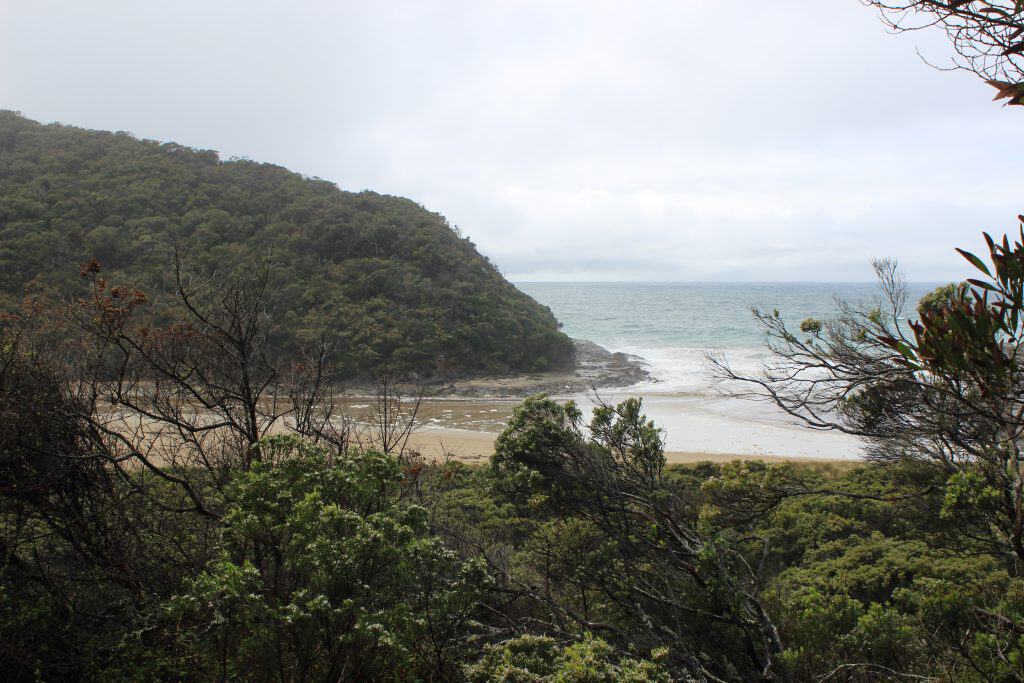
Local Insight from Walk91
This guide is written by the Walk91 team, locals based in Apollo Bay who live and work on the Great Ocean Walk. We support walkers on this trail each walking season and share practical, first-hand knowledge to help you plan safely and confidently.
This guide focuses on practical, real-world advice for walking this section safely, including:
- How to cross Parker Inlet
- What to do if the water is too high
- Where you must turn inland
- How to enjoy side trips like Crayfish Bay safely
If you want to learn more about Eric the Red and the Shipwreck History of this area, read on.

Where is Parker Hill on the Great Ocean Walk?
Parker Hill sits just inland (approx 100m) from Parker Inlet, between Blanket Bay and Cape Otway. You’ll pass through this area on most Walk91 Great Ocean Walk itineraries, including:
The only Walk91 itinerary that does not include this section is the 4-Day Wild Side Walk, which starts at Cape Otway and our 3 Day 12 Apostles Walk which starts at Aire River.
🎥 We’ve filmed a short video at Parker Inlet which will give you a good idea of what the Inlet looks like:

If you are walking west toward Cape Otway:
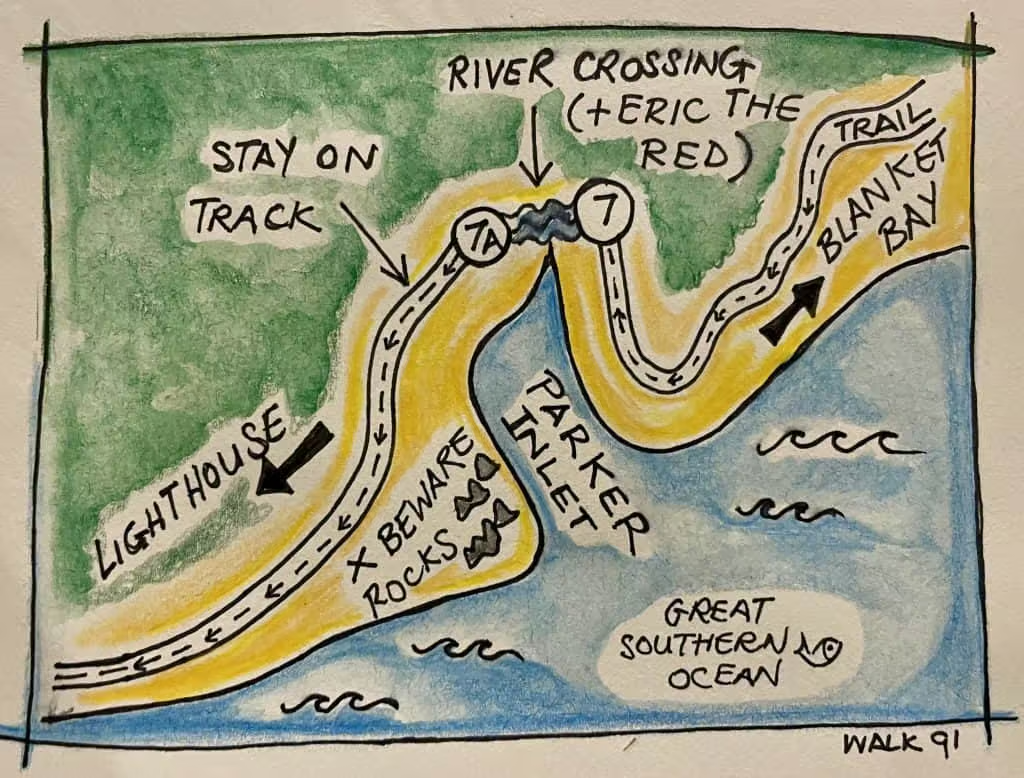
- You will reach Parker Inlet Decision Point 7
- No inland track then exists for 100m
- You may cross the riverbed easily
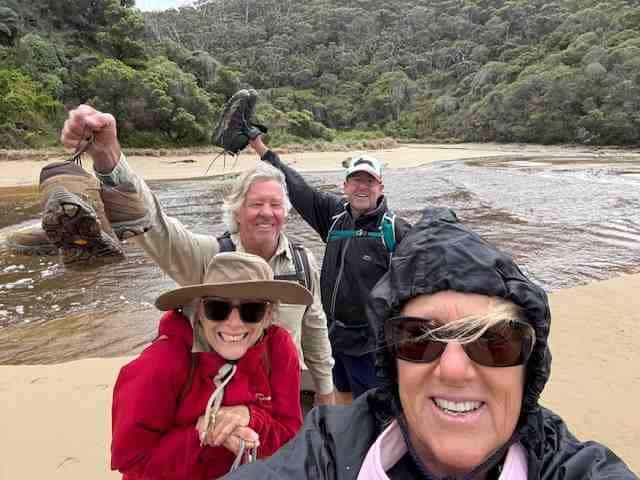
- Or you may have to remove your shoes
- At Decision Point 7A, continue walking towards the Cape Otway Lighthouse
Understanding this layout before you arrive removes a lot of stress on the day. Below is a rough sketch of the crossing, but we highly recommend purchasing the Great Ocean Walk Map.
Crossing Parker Inlet: what walkers need to know
Parker Inlet sits between Decision Point 7 and Decision Point 7A and must be crossed if you are walking between Blanket Bay and Parker Hill.
Under normal conditions, this is a shallow river crossing. However, the inlet can become unsafe or impassable after:
- heavy rainfall
- large ocean swell
- high tides or king tides
When conditions combine, water levels rise quickly and the inlet may be flowing strongly or affected by breaking swell.
TIP: If you need to take off your shoes, don’t worry that the water is dirty. It’s just the tannins running from the trees into the water (natural compounds from the tree bark and leaves).
If Parker Inlet is too high to cross
If you reach the inlet and it looks:
- too deep
- fast flowing
- affected by waves
You must:
- Wait for the water to recede and re-access if it is safe to cross
- Or turn back and walk back to Blanket Bay the way you came.
There is no other exit point and no safe inland alternative at this point. Don’t risk crossing if you are in doubt!
This scenario can be difficult to plan for if you are walking independently, as conditions can change quickly after heavy rain, large swell or high tides. However, this is an infrequent occurrence.
If you are walking with Walk91, we monitor the conditions closely. After more than 20 years of living, working and walking in this area, we generally know when deep water crossings are likely. If conditions are unsafe, we’ll do our best to adjust your itinerary or daily walking plan to keep your walk safe and enjoyable.

🟡 Easter-time Warning
King tides around Easter regularly coincide with swell and rainfall. This is one of the most common times walkers are required to turn back at Parker Inlet.

Decision Points 7 & 7A: the most important choice on this section
Once you’ve crossed Parker Inlet safely, you’ll reach Decision Point 7A.
This is a critical navigation point.
Do not continue along the coastal section after Decision Point 7A
Walkers should not attempt to continue along the coastal rock platforms beyond DP7A.
This coastal section:
- runs for approximately 2 kilometres
- is regularly covered by rising tides and wave surge
- contains deep gutters
- has poor sightlines
- offers very limited escape routes in an emergency
Even on days that appear calm, conditions can change quickly and unexpectedly.
👉 This is why the official Great Ocean Walk route turns inland here, climbing toward Parker Hill campground. Always follow the marked track.

Getting to Parker Hill campground
If you are walking
- After DP7A, follow the steep inland track
- This leads directly to Parker Hill car park and campground
- Toilets are located nearby but slightly off the walking track
If you are not walking this section
- Parker Hill campground is vehicle accessible
- You can be dropped off or picked up here
- It’s also possible to drive in to camp and walk day sections
Crayfish Bay: a side trip worth timing right
Crayfish Bay is a beautiful, sheltered cove and one of the best snorkelling spots along this part of the coast — when conditions are right.
Accessing Crayfish Bay
- Walkers on the Great Ocean Walk can visit as a short side trip
- If you are not walking the track, park cars at Point Franklin car park and walk down
- Allow approximately 2 km / 20 minutes downhill to reach the beach
Snorkelling tips from locals
Only snorkel at Crayfish Bay when:
- the tide is low
- swell is minimal
- waves are not breaking over the rock platforms
- this is not really the place to learn how to snorkel for the first time, as the water surface can be a quite choppy
On calm days, you’ll see:
- extensive bull kelp
- plenty of fish
- and, if you’re lucky, a crayfish tucked under the rocks
☀️ Hot day tip:
Bring a hat, sunscreen and — on still days — a fly net. The Otways can be buggy, especially around the inlet and forest edges. Bring plenty of water. We recommend you read Walk91’s what to bring recommendations for your safety.

Finishing at Cape Otway Lighthouse
The track eventually leads toward the Cape Otway Lighthouse, Australia’s oldest surviving lighthouse.
Opening hours vary seasonally, so it’s worth checking ahead if you plan to visit the lightstation precinct. When open, visitors can explore:
- the lighthouse tower
- historic buildings
- coastal viewpoints over Bass Strait

Walk this section with local knowledge
The Parker Hill to Cape Otway Lighthouse section is stunning — but it rewards preparation and respect for conditions.
At Walk91, we:
- Monitor tides, swell and weather daily
- Adjust itineraries when needed
- Brief walkers with local, on-the-ground advice, not just map notes
If you’re planning your Great Ocean Walk and want practical guidance from people who walk it regularly, we’re always happy to help.

FAQs : Walking from Parker Hill to Cape Otway Lighthouse
No. Parker Inlet cannot always be crossed safely. After heavy rainfall, large swell, or high and king tides, the inlet can become too deep or fast flowing. If conditions are unsafe, walkers must turn back to Blanket Bay the way they came.
If Parker Inlet is too deep, fast flowing, or affected by waves, do not attempt to cross.
In some cases, water levels may reduce as the tide changes. If conditions improve and the crossing becomes shallow and calm, it may be possible to cross safely.
If conditions do not improve, you must turn back and walk back to Blanket Bay the way you came. There is no other exit point and no safe inland alternative at this location.
Do not take risks — the inlet can have a strong current, and conditions can change quickly.
Yes. Parker Inlet is more likely to be unsafe after prolonged rainfall, during periods of large ocean swell, and around Easter when king tides occur. Conditions can change quickly, even overnight.
No. Walkers should not continue along the coastal rock platforms after Decision Point 7A. This section is regularly covered by rising tides and wave surge, has deep gutters, poor sightlines, and very limited escape routes in an emergency.
Yes, but only in calm conditions. Snorkelling at Crayfish Bay is safest when the tide is low and swell is minimal. Do not snorkel if waves are breaking over the rock platforms or if the tide is high.
If you are not walking the track, you can park at Point Franklin car park and walk down to Crayfish Bay. The walk is approximately 2 km and takes around 20 minutes downhill.
Yes. Parker Hill campground is vehicle accessible. Walkers can be dropped off or picked up here, or you can drive in to camp and walk day sections of the Great Ocean Walk.
Yes. Toilets are located near Parker Hill campground, but they are slightly off the walking track and accessed via the vehicle track.
Cape Otway Lighthouse opening hours vary seasonally. If open, walkers can visit the lighthouse precinct, including the tower and historic buildings. It’s best to check opening times in advance.
CONTACT US to start planning your Great Ocean Walk Adventure!
T: +61 3 5237 1189 Or BOOK A CALL Email: info@walk91.com.au
About the Author
Walk91 is a locally owned Great Ocean Walk operator based in Apollo Bay, Victoria. Our team lives and works on the Great Ocean Road and provides self-guided Great Ocean Walk support throughout the walking season, drawing on first-hand knowledge of trail conditions, logistics, and safety planning.