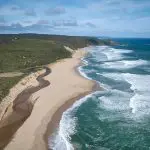
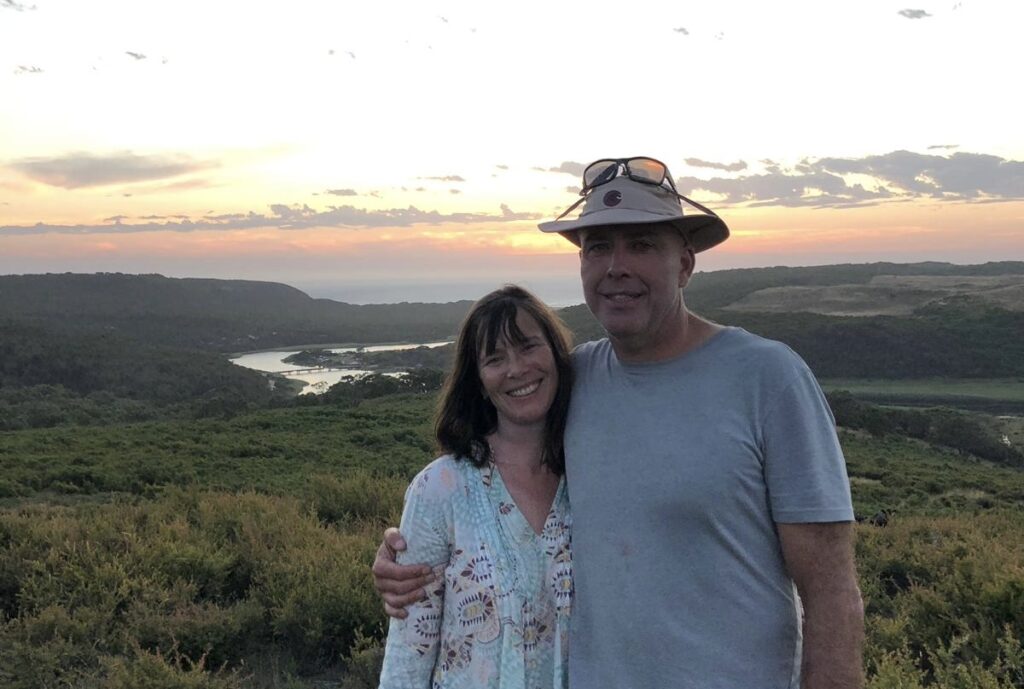
The Aire River is one of the most popular places to camp on the Great Ocean Walk, and one of our favourite spots on the whole coast. It’s part of the Aire Heritage River, full of birdlife, and a lovely place for a swim, a paddle or a few quiet days by the water. We live just up the road in Apollo Bay, and over the years we’ve held lots of kids’ parties here, fished off the bridge and paddled the river. Here’s our local guide to camping at the Aire River.
Aire River camping at a glance
- Where: on the Great Ocean Walk between Cape Otway and Castle Cove, in the Great Otway National Park
- Campgrounds: Aire River West (40 sites) and Aire River East (20 sites), each site for up to 6 people, plus the Great Ocean Walk hike-in campground for walkers (6 small sites and a group area)
- Booking: everyone has to book, whether you drive in or walk in. You can’t just turn up. Car-based sites at Aire River West and East are booked on the Great Ocean Road Coast and Parks Authority’s Aire River page, and Great Ocean Walk hike-in sites are booked separately on its Great Ocean Walk page. About $20 a site. Phone 1300 736 533
- Facilities: basic. Toilets at both car-based campgrounds, but no running water and no tap to wash your hands
- Closed over winter: Aire River East closes from late May to the end of October, and part of Aire River West closes over winter too. The West campground is also prone to flooding, so check for alerts before you go
- Drinking water: bring your own
- Dogs: not allowed (it’s a National Park)
- Phone reception: often none
Getting there: leave the big caravan at home
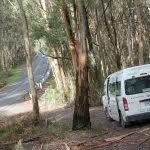
Coming from Apollo Bay, the dirt road down to the Aire River is quite curvy, and it isn’t suitable for big caravans. We really wouldn’t recommend bringing a large rig. Most people come in smaller cars with their tents, and smaller vans can get down quite comfortably.
The Great Ocean Road Coast and Parks Authority doesn’t encourage large or heavy vehicles, caravans or vans. The roads are narrow gravel and sand with tight bends, the bridge has a 5-tonne load limit, and vehicles over 2.5 metres high aren’t recommended on the eastern access road.
There’s also the old sand road that leaves from the Aire River West campground. It’s narrow and sandy, and it’s often hard for two cars to pass.

The campgrounds
Aire River West (the most popular side)
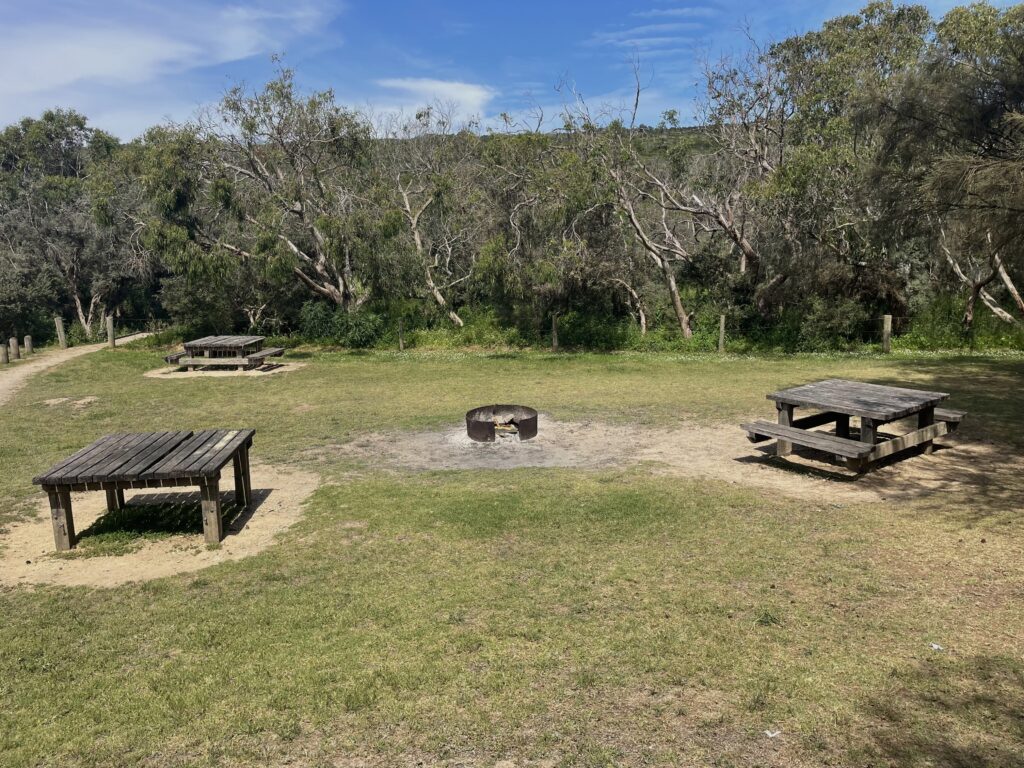
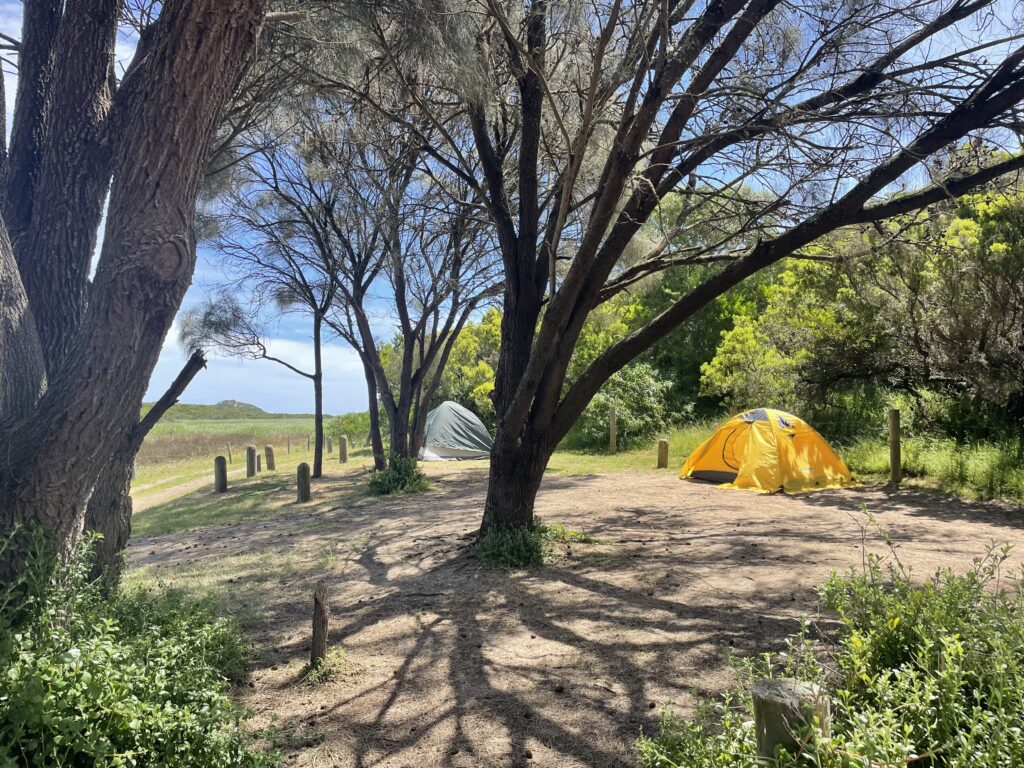
Cross the narrow bridge to reach Aire River West, with 40 grassy sites for up to 6 people each. It’s the prettiest side and the closest to the river, so it’s the most popular. In busy periods there are lots of families, kids running around and plenty going on near the water, and school groups often camp close to the river’s edge. There are designated campfire areas here, but you can only light a fire when it isn’t a high fire danger or Total Fire Ban day, so always check the current fire restrictions first. A fuel stove or gas barbecue is the easiest option. Sites 17 to 40 close over winter (from late May), and the campground is prone to flooding.
Aire River East
The first campground you reach coming in from the east, with 20 grassy sites for up to 6 people each, and its own toilets. It isn’t as pretty and is further from the river access, which is why most people head over the bridge. No wood fires are allowed here, so bring a fuel stove, and it’s closed from late May to the end of October.
Group sites
Groups walking the Great Ocean Walk can book the group area at the hike-in campground: six small sites (about 3.5 metres square) for groups of up to 18. It’s booked on the Authority’s Great Ocean Walk page.
The Great Ocean Walk hike-in campground (for walkers)
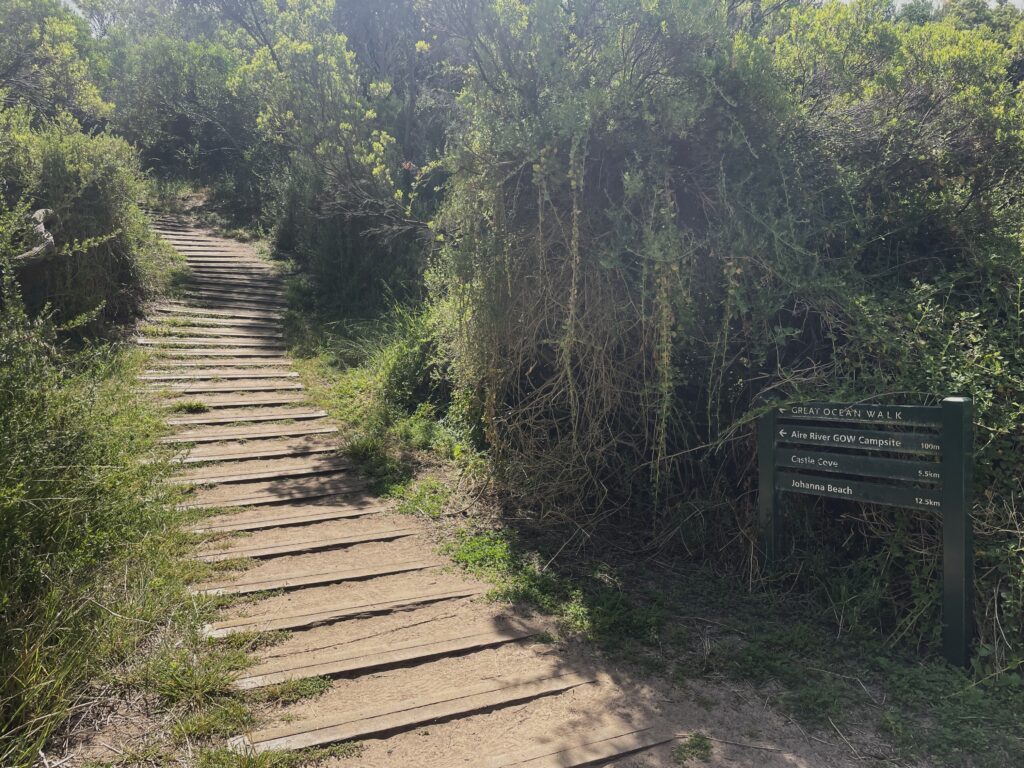
This campground is set up for people walking the Great Ocean Walk and carrying their gear. It’s booked separately from the car-based campgrounds, on the Authority’s Great Ocean Walk page, so if you’re walking the Great Ocean Walk, these are the sites to book. There are 6 small sites (about 3.5 metres square, for up to 3 people each), a three-sided shelter with a table and seating, an untreated rainwater tank, and no cars. The nearest toilets are at the car-based campground below. Because the sites are small, it’s peaceful up there: perfect for an early start and a good night’s sleep. It isn’t beside the river, though.
How to find it: find the toilet block on the western side of the bridge, walk to the left of it, and take the steps up the hill beside it. The campsite is at the top, about 100 metres up the steps.
Swimming, fishing and paddling
- Swimming: you can swim in the river. Glenaire Beach is about a half-hour walk from the bridge. Further down towards the ocean the river gets much deeper and there’s a current, so supervise children closely. Glenaire Beach is not a swimming beach, and the river mouth is a surf spot for experienced surfers only.
- Please don’t jump off the bridge. It’s dangerous.
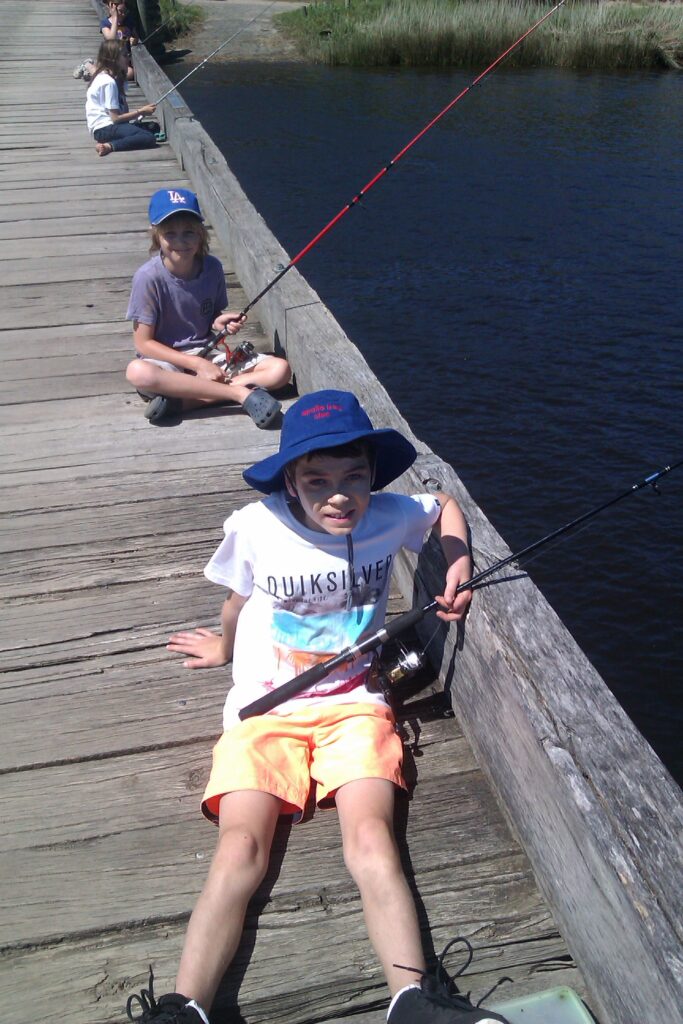
- Fishing: fishing off the bridge is a favourite with kids. You’ll need a Victorian recreational fishing licence.
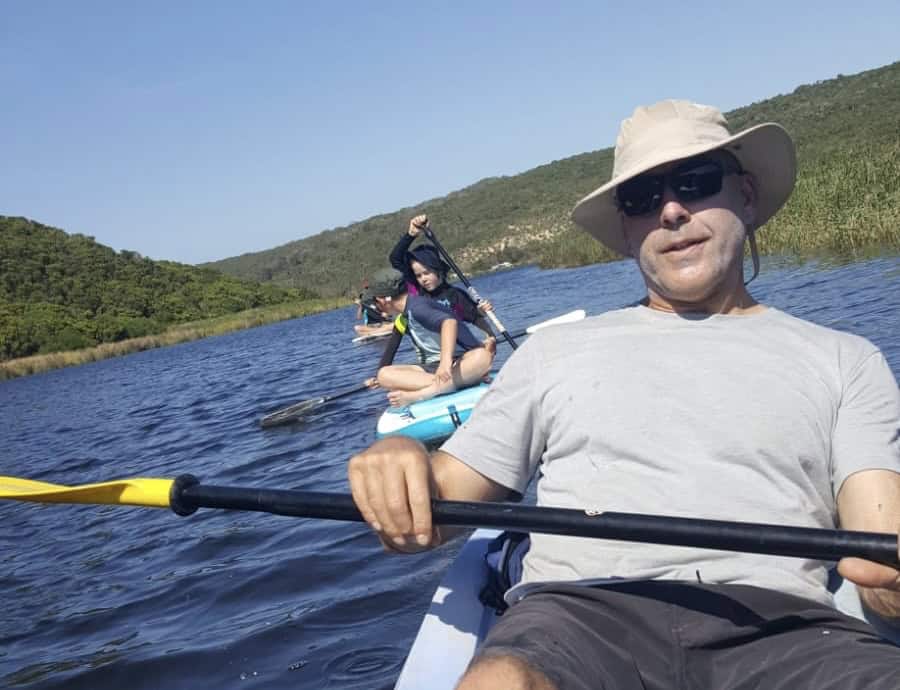
- Kayaking and paddleboarding: we love paddling down the river to just before the river mouth. Going down is easy, but turning around and coming back is really hard work against the current, so save some energy. There’s a gravel ramp for kayaks and canoes at Aire River West.
Wildlife and birdlife
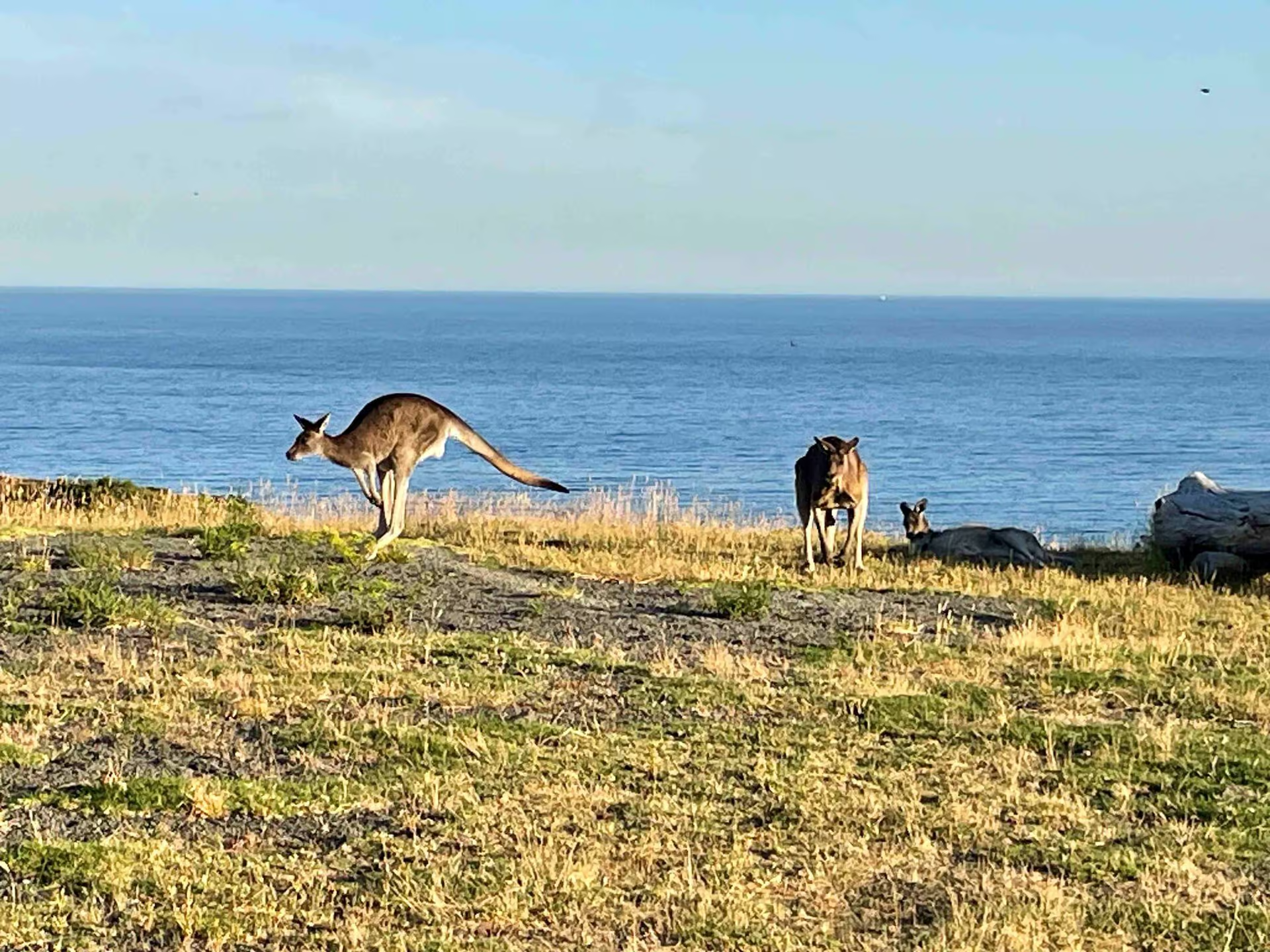
The Aire is a heritage-listed river and it’s full of birds, including swans, ducks and egrets on the wetlands, so please be mindful of them, especially when you’re kayaking or paddleboarding up the river. Signs along the river remind you. It’s also one of our favourite places to spot koalas, and you might see echidnas, and possums and kangaroos in the evening.

Walks from the Aire River
Sentinel Rock and Castle Cove
The Great Ocean Walk leaves the campground near the toilet block (turn left before the steps up to the hike-in campsite). It follows the clifftops for about 4 km, with lovely views, past Eagle Nest Rock and the Sentinel Rock lookout, then drops down to the base of the escarpment as you approach Castle Cove and the Great Ocean Road. If you’re walking the whole Great Ocean Walk, it’s about 14 km from the Aire River to the Johanna Beach campsite, with tides, ocean swells and the Browns Creek crossing at Johanna Beach to plan for.
Station Beach and Rainbow Falls
Heading east, you can walk to Station Beach and on to Rainbow Falls, but it’s a fair walk. The Great Ocean Walk follows an inland route here, and the beach and rock platforms run about 1.5 km between Station Beach and the Aire River. The eastern part of Station Beach is often covered by rising tides and waves, so check the tides first. Watch carefully for the exit track off Station Beach (Decision Point 8A on the Great Ocean Walk map), as large storms can wash the signs away. You can’t walk the beach all the way through to the Aire River: you need to leave the beach at Station Beach and go back up onto the Great Ocean Walk. Read our guide to Rainbow Falls and Station Beach.
Walk past the Aire River with Walk91
The Aire River is one of the highlights of the Great Ocean Walk, and almost all of our walks pass through it, with your accommodation, meals and luggage looked after:
- 3-Day Hike the Cape: Apollo Bay to Castle Cove, past the Aire River
- 3-Day 12 Apostles: starts at the Aire River and finishes at the Twelve Apostles
- 4-Day Wild Side Walk: Cape Otway Lighthouse to the Twelve Apostles
- The whole Great Ocean Walk in 4, 5, 6, 7 or 10 days
- Shuttle walks from Apollo Bay, if you’d rather stay in town
Prefer to camp? Two of our walks camp here:
- Camping gear shuttle: you book your own Great Ocean Walk campsites on the Great Ocean Road Coast and Parks Authority’s Great Ocean Walk page, and we move your big packs in your own trailer, supply drinking water and take away your rubbish.
- Camping and Accommodation Walk: 3 nights camping, including the Aire River, then 2 nights in comfortable accommodation.
For the other campsites on the trail, see our guide to the top campsites on the Great Ocean Walk, and for planning, our guide to camping on the Great Ocean Walk.
Aire River camping: FAQs
Everyone has to book. Car-based sites at Aire River West and East are booked through the Great Ocean Road Coast and Parks Authority, and the Great Ocean Walk hike-in sites are booked separately on the Authority’s Great Ocean Walk page. They’re approximately $20 a site.
Small vans are fine, but the road in from Apollo Bay is curvy and not suitable for big caravans or large rigs. The old sand road from Aire River West is narrow and sandy too.
No. There are toilets at the car-based campgrounds, but no running water or taps, so bring all your drinking water.
Yes, you can swim in the river, but never jump off the bridge. Towards the river mouth the water gets deeper with a current, so supervise children closely. Glenaire Beach is not a swimming beach.
No. The Aire River is in the Great Otway National Park, and dogs aren’t allowed.
Often there isn’t. Plan as if you won’t have reception.
Only in the designated campfire areas at Aire River West, and never on high fire danger or Total Fire Ban days. No wood fires are allowed at Aire River East.
Aire River East is closed from late May to the end of October. At Aire River West, sites 17 to 40 close over winter from late May, and the campground is prone to flooding, so check for alerts and closures before you go.
Questions about the Aire River?
We’re locals and we’re always happy to help. Get in touch, call us on 03 5237 1189 (+61 3 5237 1189 from overseas) or email info@walk91.com.au.
Local Insight from Walk91
This guide is written by the Walk91 team, locals based in Apollo Bay who live and work on the Great Ocean Walk. We support walkers on this trail each walking season and share practical, first-hand knowledge to help you plan safely and confidently.
About the Author
Walk91 is a locally owned Great Ocean Walk operator based in Apollo Bay, Victoria. Our team lives and works on the Great Ocean Road and provides self-guided Great Ocean Walk support throughout the walking season, drawing on first-hand knowledge of trail conditions, logistics, and safety planning.